If someone has told you that you might need a crown, it's completely normal to have questions. What does that actually mean? Will it hurt? How long does it take? I want to walk you through all of it, step by step, so you feel informed and comfortable before we ever sit down together.
What Is a Dental Crown?
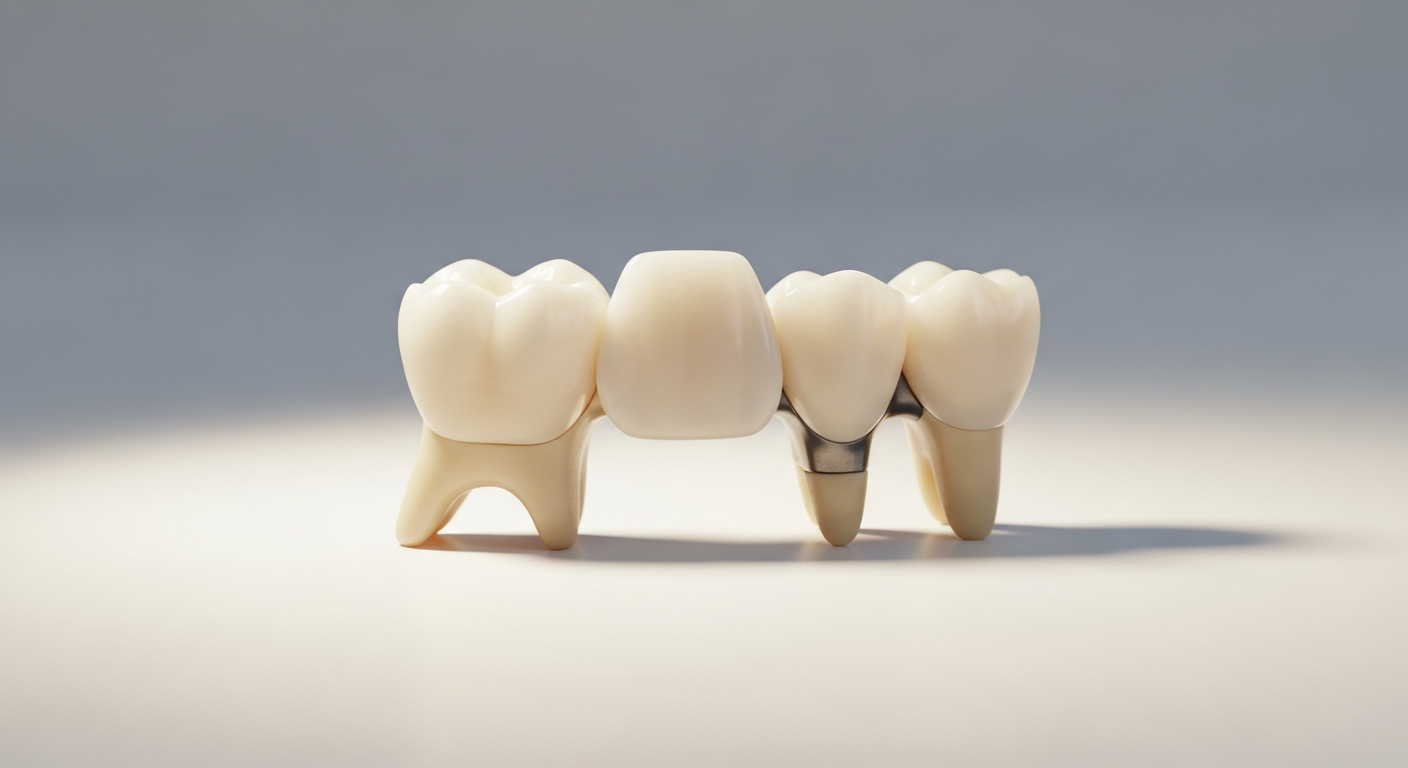
A dental crown is sometimes called a "cap," and that's actually a pretty good way to picture it. It's a tooth-shaped covering that fits over your existing tooth, restoring its shape, strength, and appearance. According to the American Dental Association, crowns can also be used to attach bridges, cover a dental implant, or protect a tooth that's at risk of breaking.
Think of it as a protective shell for a tooth that needs a little extra support. The crown itself looks and functions like a natural tooth, and most patients find it blends in well with everything around it.
When Might You Need a Crown?
This is probably the most common question I hear, and the answer depends on what's going on with your specific tooth. Every situation is a little different, but there are some common reasons a crown may be the right option.
Large Fillings or Decay
When a tooth has a very large filling, or when decay has affected a significant portion of the tooth structure, there may not be enough healthy tooth left to hold a new filling in place. A crown can cover and protect what remains, giving the tooth a stable, durable surface.
A Tooth That Has Cracked or Broken
Cracks and fractures can be tricky. A crown provides a hard outer layer that holds the tooth together and helps prevent further damage. Fracture risk, especially from large restorations, is one of the most common reasons dentists recommend a crown.
After a Root Canal
If you've had root canal therapy, a crown is often placed afterward. Root canal treatment can leave a tooth more brittle over time, and a crown helps protect it from cracking under normal chewing pressure. When a back tooth has been treated with a root canal, most dentists recommend a crown to protect it long-term.
Covering a Dental Implant
Crowns are also placed on top of dental implants. The implant acts as an artificial root, and the crown is the visible tooth on top. Together, they create a result that looks and functions much like a natural tooth.
Ready to get started? Schedule a visit with Advanced Dental Care of Stafford.
How the Crown Process Works
I always like to explain this before we get started, because knowing what to expect makes a big difference. Here's what the process typically looks like.
Step One: Preparing the Tooth
First, we prepare the tooth so the crown will fit well. This usually means shaping the tooth slightly — either removing a small amount of structure or, if the tooth is damaged, building it up with dental material so there's a solid foundation.
Step Two: The Impression
Once the tooth is ready, we take an impression. This is sent to a dental lab, where your crown is made to match the size, shape, and color of your surrounding teeth. This part typically takes about two weeks.
At some dental offices, including practices with CAD/CAM technology, crowns can be designed and made in a single appointment. If that's an option we can offer you, we'll talk through it together.
Step Three: Temporary Crown
While your permanent crown is being made, we'll place a temporary crown to protect your tooth. It won't fit quite as snugly as your final crown, so your tooth may feel a little sensitive to hot or cold during this time. That's normal. You'll also want to avoid chewing gum or sticky foods while you're wearing it, since those can pull it out of place.
Step Four: Placing the Final Crown
Once your crown is ready, we remove the temporary and cement the permanent one in place. We'll check your bite and make sure everything feels right before you leave.
What Are Crowns Made Of?
There are a few different material options, and the right choice depends on where the tooth is located, how it looks, and what feels right for you. Let me walk you through the main ones.
Porcelain and ceramic crowns are popular for front teeth because they look very natural. Research generally supports strong long-term durability for modern ceramic options, and many patients find they hold up very well over time.
Porcelain-fused-to-metal (PFM) crowns combine a metal base with a porcelain exterior. They offer good strength with a natural-looking finish, and have been used reliably for many years.
Gold and metal crowns are extremely durable, and research shows they can last well over a decade, sometimes far longer. They're less commonly chosen for visible teeth, but they remain a strong option for back molars where durability matters most.
We'll talk through the options together and help you decide what makes the most sense for your situation. Individual results vary based on the tooth, the material, and how well the crown is cared for over time.
How Long Do Crowns Last?
With good care, crowns can last many years. Brushing, flossing, and staying current with your cleanings all help. Avoiding habits like grinding your teeth or chewing on hard objects also makes a difference. If we notice any signs of wear at your regular visits, we'll let you know early so we can address it before it becomes a bigger issue.
Frequently Asked Questions
Does getting a crown hurt?
Most patients find the experience very manageable. We use local anesthesia to keep you comfortable throughout the procedure. You may feel some sensitivity around the tooth for a few days afterward, especially with the temporary crown in place, but this usually settles down on its own. We go step by step and check in with you throughout, so you're never in the dark about what's happening.
How do I know if I really need a crown, or if a filling might work?
That depends on how much healthy tooth structure is left and where the damage is located. If more than half of the tooth is affected by decay or fracture, a filling often isn't enough to hold things together reliably. We'll always explain what we're seeing and give you the full picture before recommending anything.
Will my crown look like my natural tooth?
In most cases, yes. Tooth-colored crowns are matched to the shade of your surrounding teeth, so they tend to blend in naturally. We'll show you what to expect and talk through material options before we finalize anything.
How do I care for a crown after it's placed?
The same way you care for your natural teeth. Brush twice a day, floss daily, and keep up with your regular visits. Pay a little extra attention around the gum line where the crown meets the tooth, since that area can still be vulnerable to buildup over time.
If you have questions about crowns or want to talk through what might be right for your situation, we're here to help. You don't have to figure this out on your own. We'll take good care of you.
Have questions? Call us at (540) 288-2800.
See also:
More from Our Blog

Dry Socket: How to Tell It From Normal Healing
Normal soreness after an extraction is worst early and then eases a little each day. Dry socket pain climbs instead, usually between the first and third day, can spread toward the ear, and leaves the socket looking empty.
Read more
Is Mouthwash Bad for You?
The blood pressure and cancer worries rest on small or mixed studies, and a rinse does not replace brushing and flossing. A fluoride rinse is the one that earns a place for people prone to cavities.
Read more
How Long Does a Single Dental Implant Take, Start to Finish?
A single implant usually takes several months from start to finish, and most of that time is bone healing rather than appointments. Your timeline depends on whether the tooth is still in place, how much bone is left, and whether a graft comes first.
Read more