If you've been living with dentures that slip, teeth that are failing, or gaps that make you hesitant to smile — I want you to know something first: you're not alone, and there's no judgment here. Many of the patients I see at Advanced Dental Care of Stafford have been quietly dealing with these challenges for years. When we sit down together, I always try to make sure they understand all their options clearly, without feeling overwhelmed.
One option that has genuinely changed lives for many of my patients is All-on-4 dental implants. Let me walk you through what this treatment involves, who it may be a good fit for, and what you can expect — step by step.
What Are All-on-4 Dental Implants?
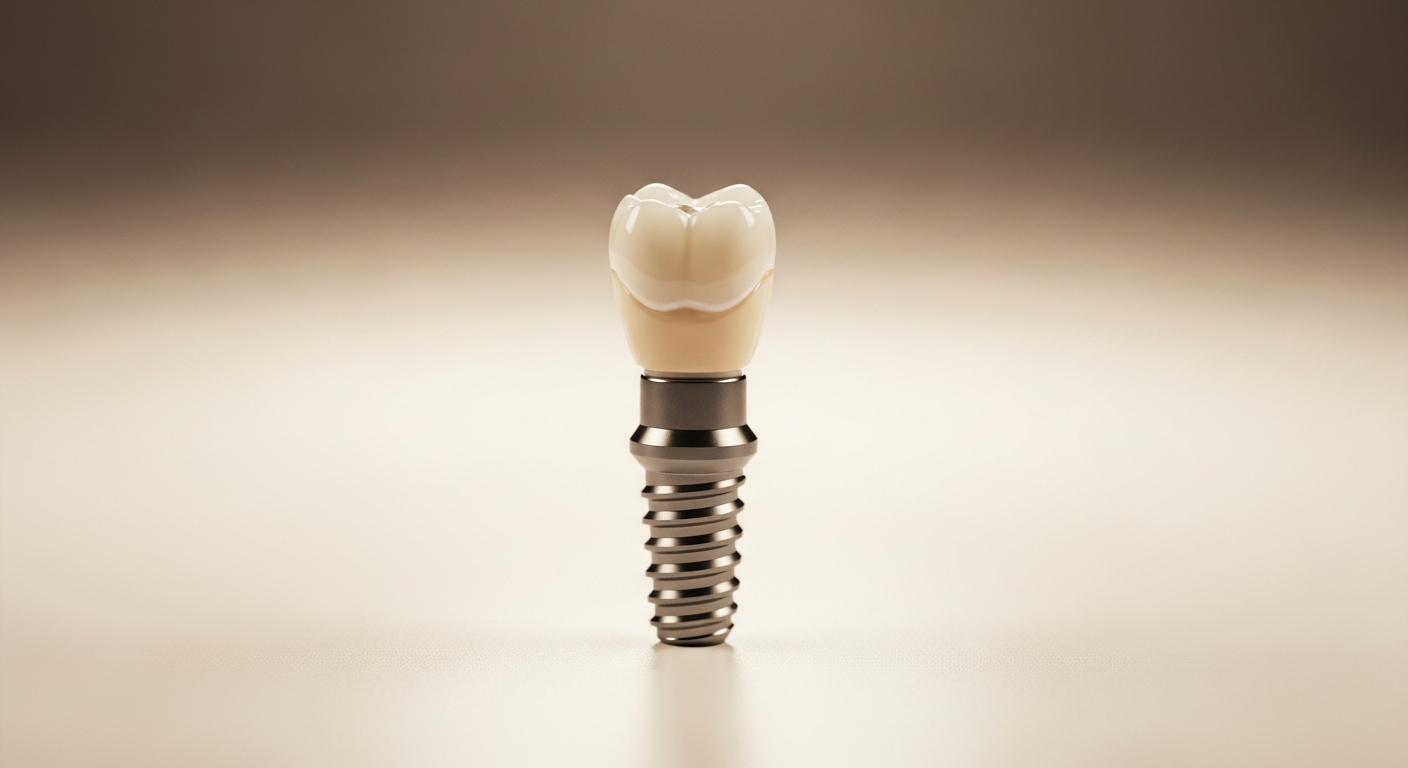
All-on-4 is a technique that replaces an entire arch of teeth using just four strategically placed implants in your jaw. Two implants go in the front, placed straight down. Two go in the back, angled up to 45 degrees. That angle is actually key — it lets us make the most of the bone you already have, even if you've experienced some bone loss over time.
The result is a fixed, full set of teeth that stay in place. No adhesives. No plate covering the roof of your mouth. No worrying about your teeth moving when you eat or talk. Many patients tell me that alone feels like a whole new chapter.
Who Might Be a Good Candidate?
All-on-4 may be worth exploring if you're currently dealing with any of the following:
Dentures That Aren't Working for You
If removable dentures have become more of a daily frustration than a solution, you're not imagining it. All-on-4 is a fixed alternative — meaning the teeth stay in, and you don't have to think about them the way you think about dentures.
Several Failing or Compromised Teeth
Sometimes a patient comes in and they've been managing one failing tooth after another. At some point, it makes sense to look at the bigger picture. All-on-4 can replace an entire arch in a single, streamlined process — often saving time and reducing the ongoing cycle of dental work on teeth that may not be viable long-term.
Significant Bone Loss
This one surprises a lot of people. Many patients assume they don't have enough bone for implants, and they've been told this before. The angled placement of the back implants in All-on-4 is specifically designed to work with areas of denser, higher-quality bone — which often means bone grafting may not be necessary. Individual anatomy varies, of course, and we'd always assess this together during a full consultation.
Wanting a Long-Lasting Solution
Clinical data on All-on-4 is genuinely reassuring. Long-term research consistently supports strong durability for this type of restoration. These are durable restorations designed to last — with proper care and regular check-ins, many patients enjoy their results for many years.
Treatment timelines and outcomes vary based on individual needs and clinical factors.
Ready to get started? Schedule a visit with Advanced Dental Care of Stafford.
What Does the Process Look Like?
I always tell patients: we'll take this step by step. Here's a general overview of how the process typically unfolds.
Step 1: Consultation and 3D Imaging
We start with a thorough consultation and advanced 3D imaging — specifically a Cone Beam CT scan — that gives us a detailed map of your jawbone, including bone density and nerve locations. This helps us plan your treatment precisely and safely before anything else happens.
Step 2: Surgery Day
On the day of surgery, any remaining compromised teeth are gently removed, and the four implants are placed. In many cases, a temporary prosthesis — a functional, natural-looking set of teeth — is attached the same day. You come in, and you leave with teeth. That's often one of the most meaningful moments for patients.
Step 3: Healing (Osseointegration)
Over the next three to six months, your implants gradually fuse with your jawbone — a process called osseointegration. During this time, you'll wear the temporary prosthesis and we'll check in with you along the way.
Step 4: Your Final Restoration
Once healing is complete, we replace the temporary prosthesis with your final, custom-made restoration — often crafted from zirconia for a natural-looking, durable result that's built to hold up over time.
How the Cost Gets Worked Out
All-on-4 is a big decision and cost is a real part of it, so I'd rather explain how the number is arrived at than give you a soft answer. There's no honest way to quote it in advance. It depends on how many arches are being restored, the condition of the teeth and bone we're working with, and what the final restoration is made from. The 3D scan in step one is what turns those unknowns into a real figure.
Once we have that, you get the recommendation written down with the numbers on it. If you carry dental insurance, we verify your benefits directly with your plan rather than reading them off the card, so whatever applies is already accounted for on the page in front of you. Nothing gets scheduled until you've read it.
And if the total is more than you want to take on at once, say so right then rather than going quiet. Treatment can often be phased — whatever is actively causing trouble is handled first and the rest is sequenced behind it — and you can ask about payment options while we go through the plan together.
Frequently Asked Questions
Is All-on-4 a comfortable procedure? We use local anesthesia during the surgery, and sedation options are available for patients who feel anxious. Our approach is gentle and comfort-focused throughout. Many patients are surprised by how manageable the experience is. You're in control, and we can go at whatever pace feels right for you.
What if I've been told I don't have enough bone for implants? That's a really common concern, and I hear it often. All-on-4 was specifically designed for patients with bone loss. The angled implant placement often allows us to work with the bone you have — though we always evaluate this individually with imaging before making any recommendations.
How long do All-on-4 implants typically last? With good oral hygiene and regular dental visits, All-on-4 restorations can last many years. Clinical studies show strong long-term outcomes for most patients. Like any restoration, individual results vary, and we'll talk about how to care for yours properly.
Am I too old — or too young — for All-on-4? Age alone typically isn't a limiting factor. What matters most is your overall health, bone quality, and individual clinical picture. We'd love to sit down with you and find out together whether this is a good fit.
If you have questions about All-on-4, or you're simply not sure where to start, we're here to help. There's no pressure and no rush — just a conversation at whatever pace feels comfortable for you.
— Dr. Ezzat Abdoun, Advanced Dental Care of Stafford
Have questions? Call us at (540) 288-2800.
See also:
More from Our Blog

Oil Pulling: Does Swishing Coconut Oil Actually Clean Your Teeth?
Short trials of oil pulling for teeth found lower plaque and gum scores over a few weeks, on very weak evidence. It cannot remove tartar, fill a cavity or treat gum disease, and the real risk is letting it replace brushing.
Read more
How Much Do Clear Aligners Cost? What Moves the Price
An aligner quote is a sum of parts: how far your teeth move, how many trays and refinements that takes, the records, the retainers, and what your plan pays. Here is what each part does.
Read more
It Has Been Years Since Your Last Dental Visit
If fear is what kept you away, that is the most useful thing you can tell us when you book. It changes the appointment, and there are real options beyond being told to relax.
Read more