If you're missing one or more teeth, you've probably heard about both dental implants and dentures. And maybe you're wondering — which one is right for me? That's a fair question, and honestly, it's one I'm happy to walk you through.
There's no single answer that works for everyone. Your health, your lifestyle, and what matters most to you will all play a role. My goal here is just to explain both options clearly, so you can make a decision that feels right for you.
What Are Dental Implants?
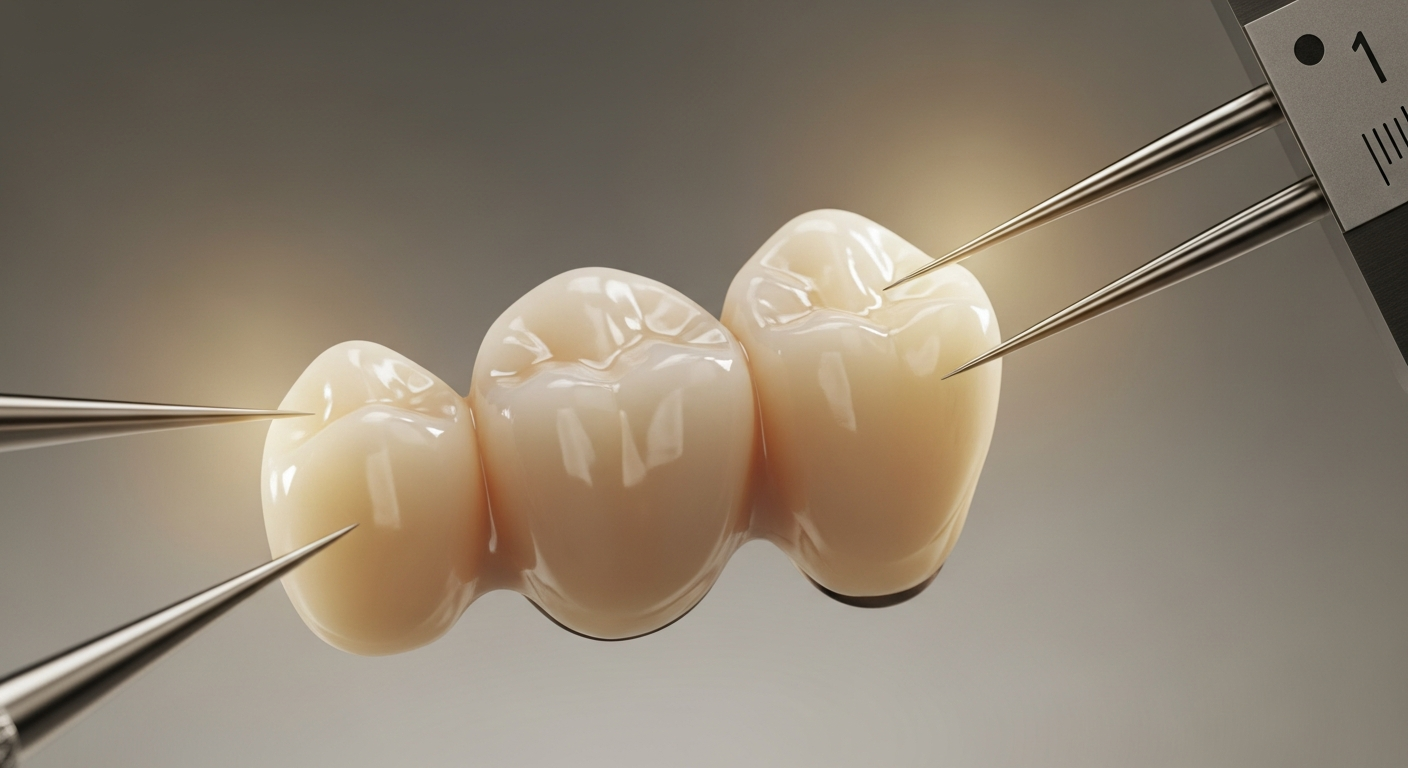
A dental implant is a small titanium post that's placed into your jawbone, where it acts as a stable base for a replacement tooth. Over time, the post typically fuses with the bone, which gives it a very secure, natural-feeling foundation. A custom crown is then placed on top to match the look and feel of your surrounding teeth.
Implants are designed to be a long-lasting solution. Many patients find they function very much like natural teeth — you can eat, speak, and smile without worrying about them shifting or coming loose. They do require a minor surgical procedure, so not every patient will be a candidate. We always review your health history and bone density first to make sure it's the right fit.
Who Tends to Do Well with Implants?
Implants often work well for patients who are in good general health, have enough bone in their jaw to support the post, and are looking for a durable, low-maintenance option over the long run. If you're missing just one tooth, or even several individual teeth, implants can often address each one independently without affecting the teeth around them.
For patients who are missing most or all of their teeth, we also offer All-on-4 implants — a full-arch approach that uses just four strategically placed implants to support a complete set of replacement teeth. It's a great option worth discussing if you're in that situation.
What Are Dentures?
Dentures are removable appliances — either full or partial — that replace missing teeth and the surrounding gum tissue. They've been around for a long time, and today's dentures are much more natural-looking and comfortable than the versions patients often picture.
Full dentures replace an entire arch of teeth (upper, lower, or both). Partial dentures fill in the gaps when some natural teeth remain. They're held in place by suction, clasps, or dental adhesive, depending on the type.
What to Know About Living with Dentures
Dentures can take some adjustment, especially in the first few weeks. Chewing certain foods and speaking clearly may feel a little different at first, but most patients adapt over time. They do need to be removed for cleaning and at night, and they may need to be refitted periodically as your jawbone naturally changes shape over the years.
For the right patient, dentures restore function and appearance without the need for surgery, and they cost less upfront than implants do. They also tend to have a shorter process from start to finish.
Implants vs. Dentures: How Do They Compare?
Here's a simple side-by-side to help frame the differences:
| | Dental Implants | Dentures | |---|---|---| | Feel | Fixed, like natural teeth | Removable; may shift slightly | | Maintenance | Brush and floss normally | Remove to clean daily | | Bone preservation | Helps maintain jawbone over time | Bone may gradually change shape | | Process | Surgical; takes several months | Typically quicker to complete | | Durability | Long-lasting with good care | May need refitting or replacement | | Candidacy | Requires adequate bone and health | Suitable for most patients |
Individual results and timelines vary based on each person's needs and clinical factors.
So, Which Option Is Right for You?
Honestly, that's something we'd figure out together. There's no pressure to decide anything during a first visit. I always want you to feel like the decision is yours — my job is to give you the full picture so you can feel confident in whatever direction you choose.
Some patients come in leaning toward implants and find that dentures are actually the better fit for their situation right now. Others come in thinking dentures are their only option and are surprised to learn they're a strong candidate for implants. Every situation is different, and we go step by step.
If cost is a consideration, that's completely okay to bring up — it's useful information, not an awkward admission, and it genuinely changes how we sequence things. After the exam you get the recommendation written down with the numbers on it, and if you have insurance, we verify your benefits with your plan rather than guessing from the card so what it's expected to cover is already applied. Nothing is scheduled until you've read it, and most treatment can be phased if you'd rather not take it on all at once.
Frequently Asked Questions
Are dental implants painful to get? Many patients are surprised at how manageable the process feels. We take a comfort-focused approach throughout, and most patients report that the recovery is much more comfortable than they expected. That said, every experience is individual, and we'll always talk through what to expect before anything begins.
How long do dental implants typically last? With good daily care and regular dental visits, implants can last many years — often decades. Like any dental work, longevity depends on individual factors including oral hygiene habits and overall health.
Can I get implants if I've been wearing dentures for years? In many cases, yes — but it depends on the condition of your jawbone. Long-term denture wear can sometimes lead to bone changes, so we'd take a close look first. If bone volume is a concern, there may still be options worth discussing.
What if I haven't been to the dentist in a long time? You're welcome here, no matter how long it's been. We're not here to judge — we're here to help. We'll take things at whatever pace feels right for you.
If you have questions about implants, dentures, or just want to talk through what might make sense for your situation, we're here to help. There are no wrong questions, and no pressure. Just a conversation.
More from Our Blog

Can a Root Canal Make You Sick? Where the Myth Came From
The claim traces to 1920s rabbit experiments that other researchers could not repeat, and a later cancer study found no added risk. The danger is the infection inside the tooth, which a root canal removes.
Read more
Dry Socket: How to Tell It From Normal Healing
Normal soreness after an extraction is worst early and then eases a little each day. Dry socket pain climbs instead, usually between the first and third day, can spread toward the ear, and leaves the socket looking empty.
Read more
Is Mouthwash Bad for You?
The blood pressure and cancer worries rest on small or mixed studies, and a rinse does not replace brushing and flossing. A fluoride rinse is the one that earns a place for people prone to cavities.
Read more