Most people know roughly how long it has been, even the ones who say they lost count.
And there is a loop that keeps the number growing. The longer the gap, the more you expect to be told off when you finally walk in, so you put it off again. I have watched that keep people away for over a decade, and the lecture they were dreading was never going to happen.
So let me skip the reassurance and give you the two things that are actually useful: what genuinely changes over that time, and what we can do about the fear if that is what is holding you.
What changes while you are away
Two processes run in the background. They are unrelated, and only one of them announces itself.
Decay moves one direction. Bacteria produce acid, acid pulls minerals out of enamel, and saliva slowly puts them back. Where that balance tips the wrong way, decay works through enamel, into the softer dentine beneath, and eventually into the pulp, the living tissue holding the nerve. The tooth only hurts at that final stage. Everything before it is silent, which is why "nothing hurts" is not evidence that nothing is happening.
Calculus builds below the gumline. Plaque that stays hardens into calculus, which is porous, rough, and cannot be brushed off. Where it forms at the gumline, the inflammation it drives makes the gum detach slightly. The groove deepens, becomes harder to clean, and more calculus forms. The cycle feeds itself.
Then the part that costs the most. Your body responds to that ongoing infection by resorbing the bone around the tooth, pulling it back from the source of inflammation. Teeth are held by bone, so as it recedes, teeth loosen. Bone lost this way does not return. This is how adults lose teeth that never had a cavity, and it happens without pain at any point.
The news is usually better than the version in your head
After a long time doing this, here is what I have found.
The people most frightened of the appointment are rarely the ones with the worst mouths. They are the ones who have had the longest to imagine it.
What is actually in front of us is a list. Some of it needs attention soon, some needs watching, and some is fine. It is almost never everything at once, and it is almost never as expensive as the version that has been growing in your head for eight years, because that version has had eight years to grow.
I will not pretend nothing changed. Something usually did. But finding out is smaller than not knowing.
If fear is the reason, we have actual options
This is where I want to be most direct, because it is the part where a lot of practices offer only sympathy.
Advanced Dental Care of Stafford offers sedation, across the range. From inhaled sedation, where you stay awake and drive yourself home, through to deeper options for people whose anxiety is severe or whose treatment will be long.
That matters because anxiety is not only a feeling. It is a physical state. Adrenaline tightens muscles, sharpens the gag reflex, and genuinely increases how much things hurt, because a nervous system braced for threat amplifies what it receives. You cannot decide your way out of that, which is why "just relax" is useless advice. Sedative medication works on the receptors that damp that response down.
You do not have to know which option you want. That is a conversation, and it happens before anything else does.
What the first visit actually involves
An exam, x-rays, and a conversation. We rarely do treatment on day one, and there is usually no reason to.
The x-rays matter more than people expect, because a large share of decay starts on the surfaces between teeth where nobody can see it, us included.
We will also measure your gums. You will hear numbers called out. One to three millimetres is healthy; four and above means a pocket has formed. Those numbers decide which cleaning you need, and they are yours to ask about.
Then you get a written plan with fees, sorted into what needs attention now and what can wait. You decide what happens next, with the numbers in front of you rather than under pressure in the chair.
Two things worth saying when you call
"I am anxious." It changes how long we book, how much we explain as we go, and whether sedation is part of the plan. You can raise a hand at any point and we stop.
"Cost is a concern." It changes how we sequence treatment. There is a real difference between a tooth that is actively infected and one we are monitoring, and a plan built with your budget in view looks different from one built without it.
More about our general dentistry services, or sedation options.
What to do
Call and say how long it has been. Nobody on the other end of that phone is going to react, because it is a sentence we hear every week.
The appointment tells you what is true. Whatever it turns out to be, it is easier to carry than the number you have been carrying instead.
Ready to get started? Schedule a visit with Advanced Dental Care of Stafford.
More from Our Blog

Oil Pulling: Does Swishing Coconut Oil Actually Clean Your Teeth?
Short trials of oil pulling for teeth found lower plaque and gum scores over a few weeks, on very weak evidence. It cannot remove tartar, fill a cavity or treat gum disease, and the real risk is letting it replace brushing.
Read more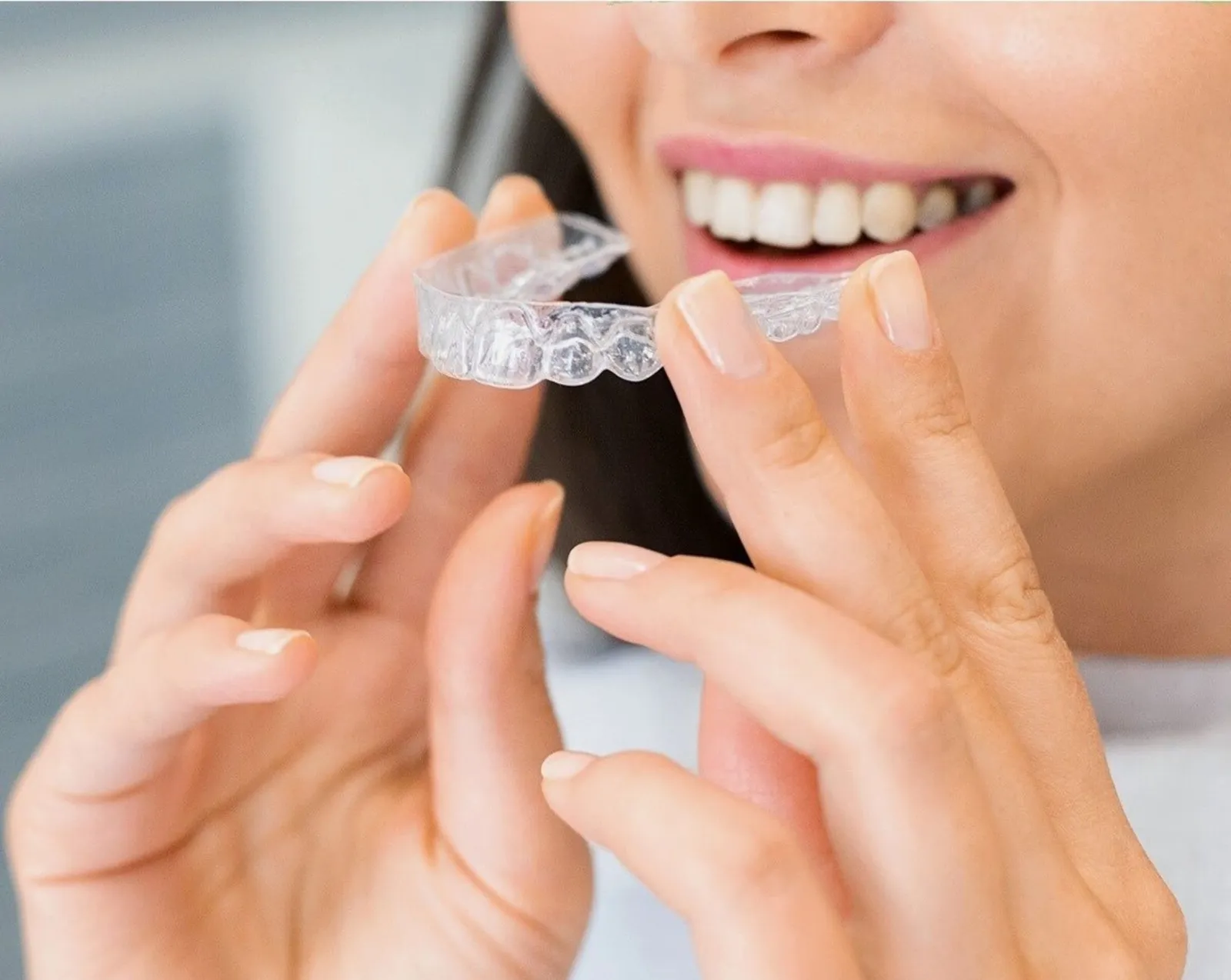
How Much Do Clear Aligners Cost? What Moves the Price
An aligner quote is a sum of parts: how far your teeth move, how many trays and refinements that takes, the records, the retainers, and what your plan pays. Here is what each part does.
Read more
Electric or Manual Toothbrush: Does It Actually Matter?
Electric brushes do remove more plaque, and the margin is modest. The bigger finding is that the two things people get wrong cost far more than the brush ever will.
Read more