Maybe one tooth looks longer than the tooth beside it, or a cold drink stings right at the gumline. Maybe your fingernail catches on a small ledge where the tooth meets the gum. So, can receding gums grow back? No, gum that has pulled back does not grow back on its own. You can deal with the cause, and a gum graft can cover an exposed root when that is worth doing.
A 2003 review in the Journal of the American Dental Association found recession in 88 percent of people aged 65 and older. It also found recession in half of people aged 18 to 64, and in people with good oral hygiene as well as poor.
Why don't receding gums grow back?
Gum tissue heals well, and a small cut in your gum closes quickly. The catch is that gum heals back to where its support is, and no further.
Two things hold gum in place: tiny fibers anchor it into the root, and its edge sits on the bone around the root. The height of the gum follows the height of that bone. Once disease or wear has destroyed those fibers and the bone beneath them is gone, new gum has nothing higher up to attach to. So the gum heals, but it heals at its new, lower level. That is why no rinse, oil or toothpaste can regrow gum: none of them rebuilds the fibers and bone underneath.
On the cheek side of many teeth, the bone over the root is very thin to begin with. The JADA review found recession on that side more often than on any other.
What makes gums recede?
The JADA review describes recession as having more than one cause. These are the common ones:
-
Gum disease: plaque bacteria at the gumline inflame the gum. In the later stage, called periodontitis, the body breaks down the fibers and bone holding the tooth, and the gum follows the bone down. Our post on gum disease treatment walks through each stage and how it is treated.
-
Brushing too hard: a hard brush scrubbed sideways wears away the thin gum on the outside of the teeth. Our post on electric and manual toothbrushes explains why pressure matters more than which brush you own.
-
Thin gum tissue: some people are born with thin gum and thin bone over their roots. A 2018 review written for the international classification of gum conditions found that thin gum is at greater risk of receding.
-
Tooth position and tooth movement: a tooth sitting outside the line of the arch has a thinner wall of bone over its root. The same 2018 review lists orthodontic treatment among the things that might raise the risk.
-
Tobacco: the JADA review linked recession with tobacco use, alongside gum inflammation, injury and teeth that sit out of line.
Clenching and grinding are sometimes blamed, but a 2018 review of biting forces found heavy biting force does not start the loss of gum attachment. It also found no credible evidence that the notches blamed on biting stress cause recession. Clenching and grinding still wear teeth and strain the jaw muscles, which our post on teeth grinding and night guards covers.
What happens if an exposed root is left alone?
A root has no enamel: it is dentin under a thin layer called cementum, and dentin is full of microscopic tubes running toward the nerve. The American Dental Association explains that once dentin loses that cover, heat, cold and acidic or sticky foods can reach the nerve through those tubes. That is the sharp sting you feel from a cold drink.
The root is also softer than enamel and holds less mineral, so acid from plaque dissolves it faster than it dissolves enamel. That means decay can start on a root under conditions enamel would survive. A soft root also wears under a hard brush and gritty toothpaste, leaving a notch at the gumline. The JADA review names all three of these: sensitivity, root decay and wear.
Not every receded spot keeps going. Where there is no disease, the 2018 classification review found that watching the spot seems to be the right approach. What matters is whether it is moving, and measuring it over time is how you find out.
How do you stop receding gums from getting worse?
You stop whatever is causing it, one step at a time:
-
Treat gum disease first: if pockets have formed, a deep cleaning removes tartar, plaque that has hardened, from the roots below the gumline. Insurance calls this scaling and root planing, and our post on deep cleaning versus a regular cleaning explains the difference.
-
Expect the gum to settle afterward: as the swelling goes down, the gum often tightens and sits a little lower, so more root can show. That is the gum settling at the level its bone supports, not new damage.
-
Brush softer: use a soft brush, light pressure and short strokes angled into the gumline. An electric brush with a pressure sensor helps if you tend to press hard.
-
Protect the root: fluoride toothpaste makes the root surface harder for acid to dissolve, as our post on what fluoride does to a tooth explains. If a root stings, the ADA notes that desensitizing toothpaste contains compounds that help block the signal to the nerve.
-
Leave tobacco behind: if you use it, stopping removes one of the factors the JADA review linked to recession.
-
Have your gums measured: at a checkup, a small probe measures the gum around each tooth in millimeters. The direction those numbers move over time tells you more than any single reading, and our exam and cleaning visit page explains what they mean.
Gum care sits inside our general and preventive dentistry, alongside checkups and cleanings.
Can a gum graft cover an exposed root?
Often, yes: a common type of graft places a thin piece of tissue from the roof of your mouth over the root. The surgeon then moves the neighboring gum up to cover it, and donor tissue can sometimes stand in for the piece from your palate.
A 2018 Cochrane review of 48 trials compared these grafts. Palate tissue did slightly better when the aim was both to cover the root and to widen the band of firm gum. It found weak evidence that, of the substitutes, donor tissue comes closest to that result.
What is left between the teeth matters too. A 2011 study of 109 treated recessions looked at how much support the gum had lost in the gaps between the teeth. That loss predicted how much root the surgery covered.
Grafts protect the root and ease sensitivity, and they can also improve how the teeth look or thicken thin gum before it recedes further. Periodontists, dentists with specialty training in gums, often do this surgery, so if a graft seems worth considering, ask us whether a referral makes sense.
A tooth-colored filling is another option for a notch worn into the root. It covers the worn surface and can ease sensitivity, but it does not move the gum.
When should you have receding gums checked?
Have it looked at if a tooth looks longer than before, a spot stings with cold, your gums bleed, or you feel a notch. Ask us to measure it, so your next visit has a number to compare against. What you do about it after that is your decision.
You can call Advanced Dental Care of Stafford at (540) 288-2800 or send a message through our contact page.
More from Our Blog
TMJ Splint or Night Guard: What Is the Difference?
A night guard is made to protect your teeth from the wear of grinding. A splint for jaw pain is designed against your bite to change, while you wear it, how your jaw closes and how the load reaches the joint, and it is adjusted again after you have slept in it.
Read more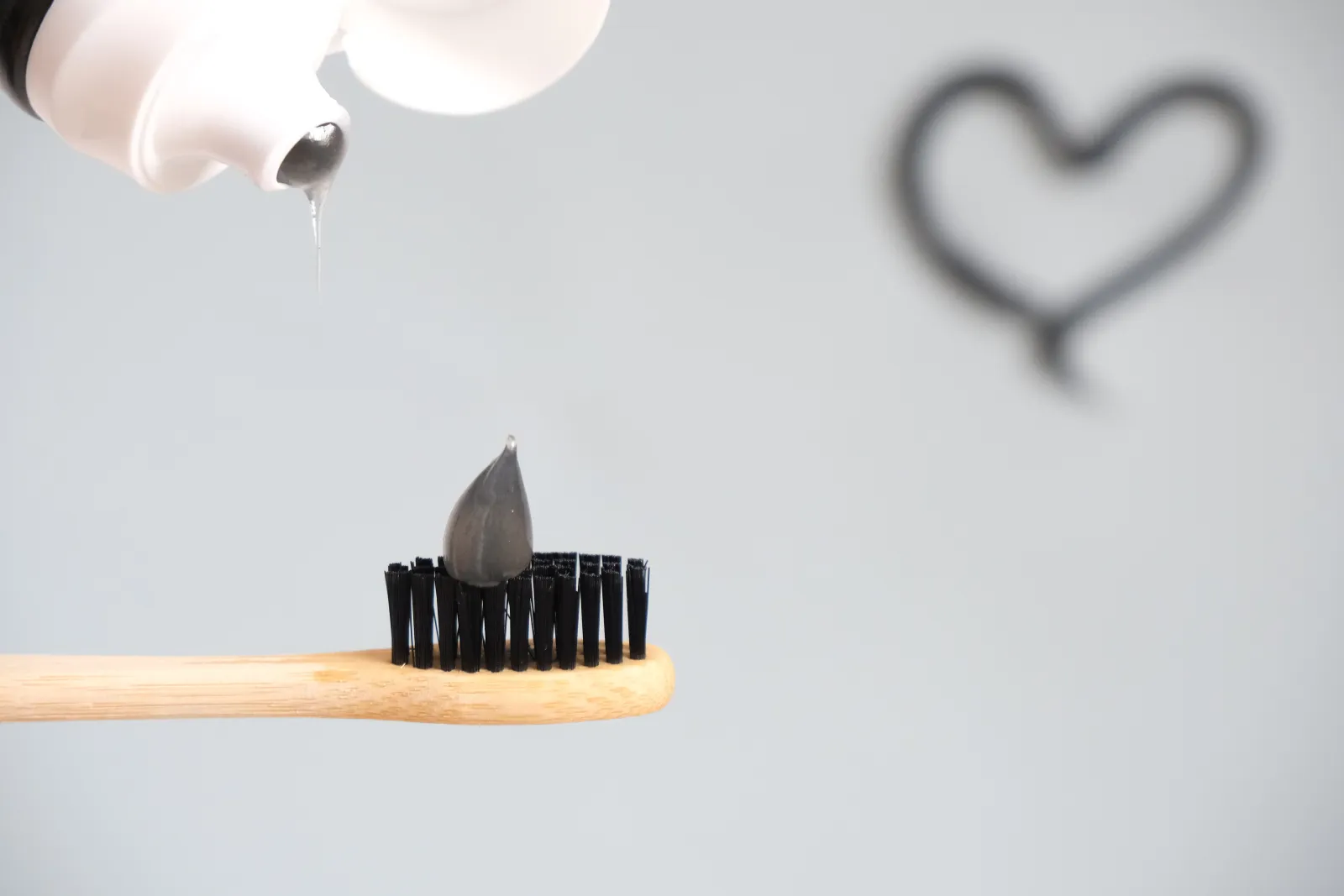
Is Charcoal Toothpaste Safe for Your Teeth?
Charcoal toothpaste can scrub off some surface stain, but it cannot lighten the color inside a tooth, and many charcoal products do not say they contain fluoride. Whether it wears your teeth depends on the paste, how hard you brush and whether any root is showing.
Read more
How to Choose a Dentist for Your Dental Implant: Questions Worth Asking
Implant dentistry is not a recognized dental specialty, so a title tells you less than the answers to a few questions. Ask about training, who places the implant and who makes the tooth, how the case is planned, and what happens if it fails.
Read more